

Understanding Seamless Boiler Tubes: Essential Insights for the Metallurgy and Energy Industry
Release time:
2024-09-30
Seamless boiler tubes are a vital component in the metallurgy and energy industries, where they are predominantly used in power generation and heat exchange applications. Unlike welded tubes, seamless boiler tubes are manufactured without any seams, which significantly enhances their structural integrity and ability to withstand high pressure and temperature. This characteristic makes them particu
Seamless boiler tubes are a vital component in the metallurgy and energy industries, where they are predominantly used in power generation and heat exchange applications. Unlike welded tubes, seamless boiler tubes are manufactured without any seams, which significantly enhances their structural integrity and ability to withstand high pressure and temperature. This characteristic makes them particularly suitable for high-stress environments such as boilers and heat exchangers.
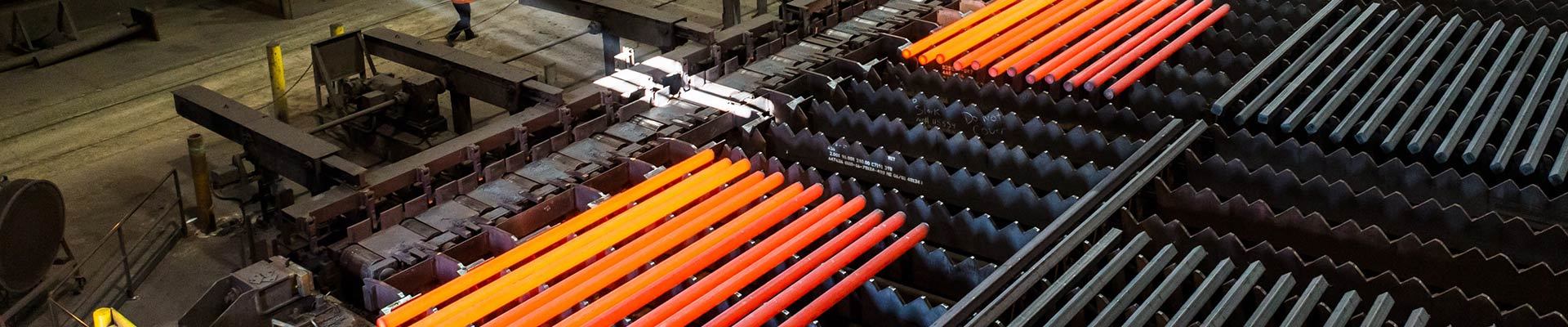
The manufacturing process of seamless boiler tubes involves a technique called extrusion or rotary piercing. Initially, solid steel billets are heated to a high temperature and then formed into a hollow tube shape without any welding. This method not only improves the mechanical properties of the tubes but also eliminates the risk of seam-related failures, which can be catastrophic in pressure applications.
One of the primary benefits of seamless boiler tubes is their uniformity and consistency in wall thickness, which is crucial for maintaining pressure integrity during operation. The seamless structure allows for better flow characteristics in fluid transport, thereby enhancing the overall efficiency of heat exchangers and boilers. Furthermore, because they are less prone to corrosion and fatigue, seamless boiler tubes tend to have a longer service life compared to their welded counterparts.
In addition to their structural advantages, seamless boiler tubes are utilized in a variety of applications across multiple industries. They are commonly found in fossil fuel power plants, nuclear reactors, and chemical processing facilities, where reliable heat transfer and pressure resistance are paramount. The ability to operate safely and efficiently under extreme conditions is critical for these applications, making seamless boiler tubes an indispensable choice for engineers and manufacturers.
The selection of materials for seamless boiler tubes also plays a significant role in their performance. Common materials include carbon steel, alloy steel, and stainless steel, each offering different properties tailored to specific operational requirements. For instance, alloy steels may be used for higher temperature applications due to their enhanced strength and resistance to thermal fatigue.
In conclusion, seamless boiler tubes are essential for the metallurgy and energy sectors, providing a reliable and efficient solution for high-pressure applications. Their unique manufacturing process, material selection, and structural benefits make them a preferred choice in critical operations, ensuring safety and longevity in demanding environments. Understanding the importance of seamless boiler tubes can help industry professionals make informed decisions that enhance operational efficiency and safety standards.
The manufacturing process of seamless boiler tubes involves a technique called extrusion or rotary piercing. Initially, solid steel billets are heated to a high temperature and then formed into a hollow tube shape without any welding. This method not only improves the mechanical properties of the tubes but also eliminates the risk of seam-related failures, which can be catastrophic in pressure applications.
One of the primary benefits of seamless boiler tubes is their uniformity and consistency in wall thickness, which is crucial for maintaining pressure integrity during operation. The seamless structure allows for better flow characteristics in fluid transport, thereby enhancing the overall efficiency of heat exchangers and boilers. Furthermore, because they are less prone to corrosion and fatigue, seamless boiler tubes tend to have a longer service life compared to their welded counterparts.
In addition to their structural advantages, seamless boiler tubes are utilized in a variety of applications across multiple industries. They are commonly found in fossil fuel power plants, nuclear reactors, and chemical processing facilities, where reliable heat transfer and pressure resistance are paramount. The ability to operate safely and efficiently under extreme conditions is critical for these applications, making seamless boiler tubes an indispensable choice for engineers and manufacturers.
The selection of materials for seamless boiler tubes also plays a significant role in their performance. Common materials include carbon steel, alloy steel, and stainless steel, each offering different properties tailored to specific operational requirements. For instance, alloy steels may be used for higher temperature applications due to their enhanced strength and resistance to thermal fatigue.
In conclusion, seamless boiler tubes are essential for the metallurgy and energy sectors, providing a reliable and efficient solution for high-pressure applications. Their unique manufacturing process, material selection, and structural benefits make them a preferred choice in critical operations, ensuring safety and longevity in demanding environments. Understanding the importance of seamless boiler tubes can help industry professionals make informed decisions that enhance operational efficiency and safety standards.
WhatsApp:
Email:
Tel/WeChat
Office Address
15-10, Building J1, Wanda Plaza, 57 Gongye South Road, Jinan District, China (Shandong) Pilot Free Trade Zone