

303 Stainless Steel Bars: The Backbone of High-Quality Fabrication
Release time:
2024-11-08
303 Stainless Steel Bars: The Backbone of High-Quality Fabrication Table of Contents Introduction to 303 Stainless Steel Bars Key Properties of 303 Stainless Steel Corrosion Resistance Excellent Machinability High Strength and Durability Applications of 303 Stainless Steel Bars Aerospace Industry Au
303 Stainless Steel Bars: The Backbone of High-Quality Fabrication
Table of Contents
- Introduction to 303 Stainless Steel Bars
- Key Properties of 303 Stainless Steel
- Applications of 303 Stainless Steel Bars
- Manufacturing Process of 303 Stainless Steel Bars
- Benefits of Using 303 Stainless Steel Bars
- Maintenance and Care for Stainless Steel Bars
- Frequently Asked Questions
- Conclusion
Introduction to 303 Stainless Steel Bars
303 stainless steel bars are a pivotal component in the realm of high-quality fabrication. Known for their remarkable **corrosion resistance** and **excellent machinability**, these bars play a crucial role in various industries. The unique formulation of **303 stainless steel** makes it an ideal choice for parts that require precision, reliability, and durability. In this article, we will explore the essential characteristics, applications, and benefits of 303 stainless steel bars, providing a comprehensive overview that highlights their significance in manufacturing.
Key Properties of 303 Stainless Steel
Understanding the properties of **303 stainless steel** is vital for appreciating its role in fabrication. This grade of stainless steel is designed to meet the needs of various applications while offering distinct advantages.
Corrosion Resistance
One of the standout features of 303 stainless steel bars is their **superior corrosion resistance**. Composed primarily of iron, chromium, and nickel, this alloy exhibits excellent resistance to rust and oxidation, making it ideal for use in harsh environments. The chromium content in stainless steel forms a passive layer of chromium oxide on the surface, which serves as a barrier against moisture and corrosive elements. This property significantly extends the lifespan of components in industries such as food processing, chemical manufacturing, and marine applications.
Excellent Machinability
Another critical advantage of 303 stainless steel bars is their **excellent machinability**. This grade is specifically formulated to provide enhanced machining capabilities, allowing manufacturers to produce intricate parts with precise dimensions. The addition of sulfur in 303 stainless steel improves its machinability, enabling faster cutting speeds and reduced tool wear. As a result, manufacturers can achieve superior surface finishes with minimized production costs and time.
High Strength and Durability
303 stainless steel bars are recognized for their **high strength** and **durability**. They can withstand significant mechanical stress and maintain structural integrity under various conditions. This strength makes them suitable for applications requiring reliable performance, such as fasteners, shafts, and fittings. The inherent toughness of 303 stainless steel ensures that components remain functional even in demanding environments, contributing to the overall efficiency of fabrication processes.
Applications of 303 Stainless Steel Bars
The versatility of **303 stainless steel bars** allows them to be utilized in a wide range of applications across various industries. Their unique properties make them an essential choice for high-quality fabrication.
Aerospace Industry
In the aerospace industry, the need for lightweight yet durable materials is paramount. 303 stainless steel bars provide an ideal solution for manufacturing aircraft components, including brackets, fittings, and structural parts. The corrosion resistance ensures that these components can withstand extreme temperatures and environmental conditions, maintaining safety and performance standards.
Automotive Manufacturing
The automotive sector also benefits from the use of 303 stainless steel bars. These bars are used in the production of engine components, exhaust systems, and fasteners due to their strength and resistance to corrosion. The machinability of 303 stainless steel allows for the creation of complex shapes and designs, essential for modern automotive engineering.
Food Processing Equipment
In the food industry, hygiene and safety are critical. 303 stainless steel bars are commonly used in the fabrication of food processing equipment, such as conveyor systems and food handling tools. Their ability to resist corrosion and contaminants makes them suitable for maintaining a clean and safe working environment.
Manufacturing Process of 303 Stainless Steel Bars
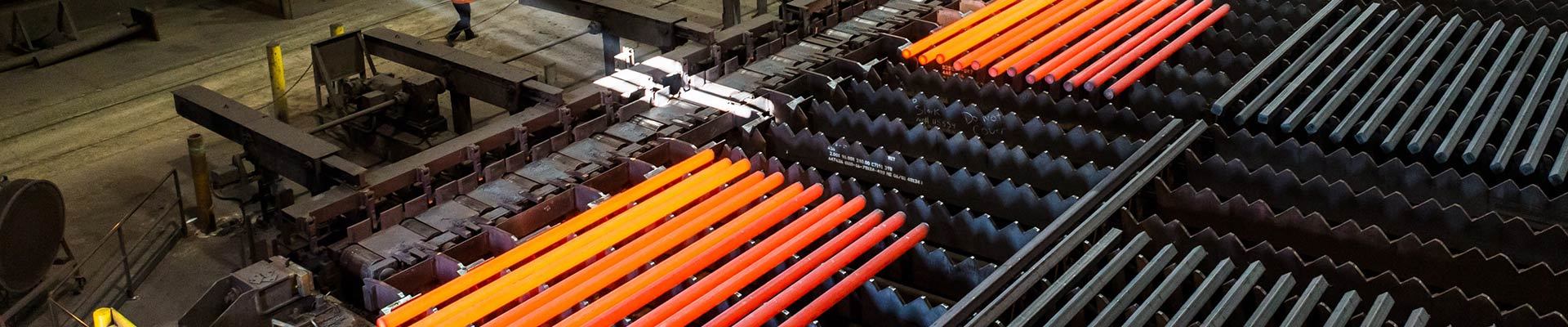
The manufacturing process of 303 stainless steel bars involves several stages that contribute to their quality and performance. Typically, the process begins with melting the raw materials, including iron, chromium, nickel, and sulfur, in an electric arc furnace. Once the molten metal reaches the desired composition, it is cast into ingots.
After cooling, the ingots undergo hot rolling, which shapes them into bars of various dimensions. Following hot rolling, the bars may be subjected to cold working processes to enhance their properties further. Finally, the bars are heat-treated to achieve the desired mechanical characteristics, ensuring they meet industry standards for quality and performance.
Benefits of Using 303 Stainless Steel Bars
The advantages of utilizing 303 stainless steel bars extend beyond their basic properties. Here are some key benefits that make them a go-to choice for manufacturers:
1. **Versatility**: Their adaptability allows them to be utilized in multiple sectors, from aerospace to food processing.
2. **Cost-Effectiveness**: The enhanced machinability reduces production time and costs, leading to more efficient manufacturing processes.
3. **Longevity**: The corrosion resistance and strength ensure that products have a longer lifespan, reducing the need for frequent replacements.
4. **Safety**: The non-reactive properties of stainless steel make it safe for food and medical applications.
5. **Aesthetic Appeal**: The polished surface of 303 stainless steel bars gives a clean and modern look, making them suitable for visible applications.
Maintenance and Care for Stainless Steel Bars
To ensure the longevity and performance of 303 stainless steel bars, proper maintenance is crucial. Here are some essential tips for maintaining these bars:
1. **Regular Cleaning**: Use mild detergents and warm water to clean the surface, preventing the buildup of contaminants.
2. **Avoiding Scratches**: Use non-abrasive cleaning materials to avoid scratching the surface, which can compromise its protective layer.
3. **Inspect for Corrosion**: Regularly inspect bars for any signs of corrosion and address them promptly to maintain their integrity.
4. **Storage Conditions**: Store stainless steel bars in a dry, well-ventilated area to prevent moisture accumulation, which can lead to rust.
Frequently Asked Questions
1. What makes 303 stainless steel different from other grades?
303 stainless steel is specifically formulated for improved machinability and corrosion resistance, making it ideal for precision parts.
2. Can 303 stainless steel bars be welded?
While 303 stainless steel can be welded, it is not recommended as it may lead to reduced corrosion resistance and strength.
3. What are the common uses for 303 stainless steel bars?
Common uses include automotive components, aerospace parts, and food processing equipment.
4. Are 303 stainless steel bars magnetic?
303 stainless steel is non-magnetic in the annealed state, but it can become slightly magnetic when cold-worked.
5. How should I care for 303 stainless steel bars to prevent rust?
Regular cleaning, avoiding scratches, and proper storage in dry conditions can help prevent rust formation.
Conclusion
In summary, **303 stainless steel bars** play an integral role in high-quality fabrication across various industries. Their exceptional corrosion resistance, machinability, and strength make them a preferred choice for manufacturers seeking reliability and performance. With applications ranging from aerospace to food processing, these bars are indeed the backbone of modern manufacturing. By understanding their properties and benefits, we can appreciate how 303 stainless steel bars contribute to the advancement of fabrication technologies and the production of high-quality components.
WhatsApp:
Email:
Tel/WeChat
Office Address
15-10, Building J1, Wanda Plaza, 57 Gongye South Road, Jinan District, China (Shandong) Pilot Free Trade Zone