

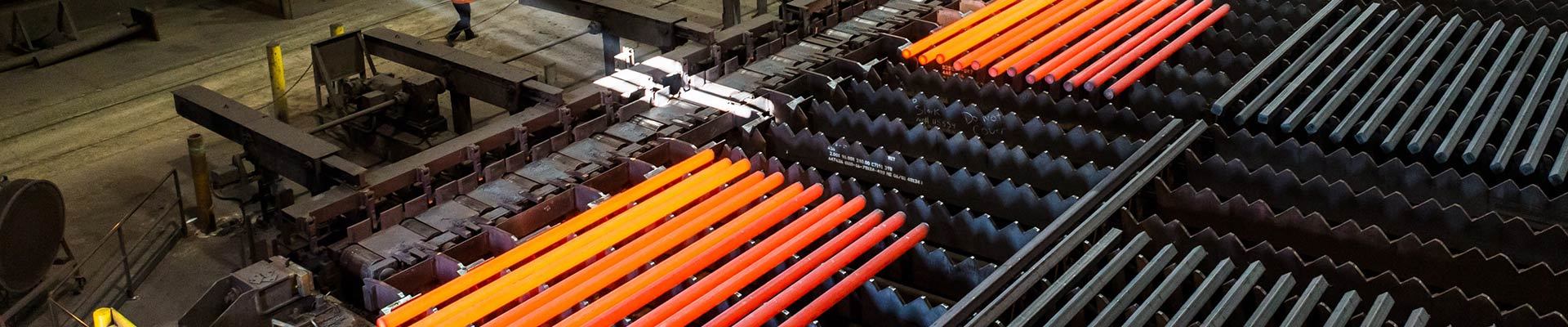
Exploring the Exceptional Durability and Corrosion Resistance of 304L Stainless Steel Coil
Release time:
2025-03-14
Exploring the Exceptional Durability and Corrosion Resistance of 304L Stainless Steel Coil
Table of Contents
- 1. Introduction to 304L Stainless Steel Coil
- 2. Key Characteristics of 304L Stainless Steel
- 3. Understanding the Durability of 304L Stainless Steel Coil
- 4. The Corrosion Resistance of 304L Stainless Steel
- 5. Applications of 304L Stainless Steel Coil
- 6. Comparing 304L with Other Stainless Steel Grades
- 7. Maintenance Tips for 304L Stainless Steel Coil
- 8. FAQs About 304L Stainless Steel Coil
- 9. Conclusion
1. Introduction to 304L Stainless Steel Coil
304L stainless steel coil is a low carbon variant of 304 stainless steel, often recognized for its **excellent weldability** and **formability**. The "L" in its name signifies "low carbon," which helps minimize the risk of **intergranular corrosion** during welding. This attribute makes it a preferred choice for numerous applications, especially in environments where high temperatures and corrosive substances are present. Understanding its unique properties can significantly impact your choice of materials in manufacturing, construction, and beyond.
2. Key Characteristics of 304L Stainless Steel
304L stainless steel is celebrated for its distinctive characteristics, making it suitable for various applications. Here are some of its key attributes:
2.1 Composition
The composition of 304L stainless steel typically includes:
- **Chromium** (18%): Provides corrosion resistance.
- **Nickel** (8%): Enhances durability and aids in maintaining a stable austenitic structure.
- **Carbon** (0.03% max): The low carbon content reduces the risk of carbide precipitation during welding.
2.2 Physical Properties
This alloy exhibits several notable physical properties:
- **Density**: Approximately 8.0 g/cm³.
- **Melting Point**: Around 1400°C to 1450°C (2550°F to 2640°F).
- **Thermal Conductivity**: 16 W/m·K.
2.3 Mechanical Properties
The mechanical properties of 304L ensure its robustness:
- **Tensile Strength**: 485 MPa minimum.
- **Yield Strength**: 170 MPa minimum.
- **Elongation**: 40% minimum in 50 mm length.
3. Understanding the Durability of 304L Stainless Steel Coil
Durability is a crucial aspect of any material used in challenging environments. 304L stainless steel is known for its **high resistance to wear and tear**. This durability stems from its inherent mechanical properties and its ability to withstand extreme temperatures without losing structural integrity.
3.1 Impact Resistance
304L possesses excellent impact resistance, making it suitable for applications in industries where materials may face sudden forces. This quality ensures longevity, reducing the need for frequent replacements.
3.2 Fatigue Strength
The fatigue strength of 304L stainless steel allows it to endure cyclic loading, which is vital in applications such as piping and structural components. Its ability to maintain performance under stress is key to operational efficiency.
4. The Corrosion Resistance of 304L Stainless Steel
Corrosion resistance is one of the most significant advantages of 304L stainless steel. It can withstand various corrosive environments, including those involving chemicals, moisture, and oxidation.
4.1 Mechanism of Corrosion Resistance
The presence of chromium in 304L stainless steel forms a thin layer of chromium oxide on the surface, providing a protective barrier against corrosive agents. This passive layer enables 304L to resist rust and oxidation effectively.
4.2 Resistance to Specific Corrosive Agents
304L stainless steel shows remarkable resistance to various corrosive agents, including:
- **Chlorides**: While it offers good resistance to chlorides, caution should be exercised in marine environments where pitting can occur.
- **Acids**: It withstands many organic and inorganic acids, making it suitable for chemical processing.
5. Applications of 304L Stainless Steel Coil
304L stainless steel coil finds extensive use across various industries due to its unique properties. Below are some notable applications:
5.1 Construction Industry
In construction, 304L is often used for structural applications, including:
- **Stainless steel frames**
- **Architectural facades**
- **Handrails and balustrades**
5.2 Food and Beverage Industry
Due to its non-reactive nature, 304L is the material of choice for food processing and storage equipment:
- **Tank linings**
- **Piping and tubing**
- **Food processing machinery**
5.3 Chemical Processing**
For chemical processing plants, 304L stainless steel is vital in constructing equipment that comes into contact with corrosive substances:
- **Reactors**
- **Heat exchangers**
5.4 Pharmaceutical Industry
In the pharmaceutical sector, the cleanliness and non-reactive nature of 304L make it ideal for manufacturing:
- **Storage tanks**
- **Piping systems**
6. Comparing 304L with Other Stainless Steel Grades
When selecting the right stainless steel for your project, it’s essential to understand how 304L compares with other grades, such as 316L and 304.
6.1 304 vs. 304L
While both grades share similar properties, the key difference lies in the carbon content. 304L's lower carbon composition offers enhanced weldability and reduced susceptibility to intergranular corrosion.
6.2 316L vs. 304L
316L stainless steel provides superior corrosion resistance, particularly in chloride environments. However, its higher cost may not justify its use in less corrosive applications, where 304L excels.
7. Maintenance Tips for 304L Stainless Steel Coil
To ensure the longevity and performance of 304L stainless steel, proper maintenance is crucial. Here are some tips:
7.1 Regular Cleaning
Periodic cleaning with mild detergents and warm water helps maintain the surface finish. Avoid harsh chemicals that may lead to pitting or surface degradation.
7.2 Inspect for Corrosion
Regular inspections for signs of corrosion, especially in environments prone to moisture, can help detect issues early. Addressing problems promptly will prolong the life of the material.
7.3 Avoiding Abrasives
Using abrasive materials for cleaning can scratch the surface, compromising the protective layer. Opt for soft cloths or non-abrasive sponges.
8. FAQs About 304L Stainless Steel Coil
8.1 What is the difference between 304L and 316L stainless steel?
304L has lower carbon content than 316L, making it more suitable for welding. 316L offers enhanced corrosion resistance, particularly against chlorides.
8.2 Is 304L stainless steel magnetic?
304L stainless steel is **non-magnetic** in its annealed state; however, it may become slightly magnetic when cold-worked.
8.3 Can 304L stainless steel be used in marine environments?
While 304L can be used in marine environments, it is advisable to monitor for pitting corrosion due to the presence of chlorides.
8.4 How should 304L stainless steel be welded?
Use low heat input when welding 304L to avoid sensitization. Employ filler materials that match the alloy’s composition for optimal results.
8.5 What industries commonly use 304L stainless steel coils?
Industries such as food processing, chemical manufacturing, construction, and pharmaceuticals commonly utilize 304L stainless steel coils.
9. Conclusion
In summary, 304L stainless steel coil is an exceptional material known for its **durability and corrosion resistance**. Its unique properties make it an ideal choice across various industries, ensuring longevity and reliability in challenging environments. By understanding the characteristics, applications, and maintenance needs of 304L, stakeholders can make informed decisions that enhance their projects' effectiveness and lifespan. Embracing this versatile alloy paves the way for improved performance and sustainability in modern manufacturing and construction practices.
WhatsApp:
Email:
Tel/WeChat
Office Address
15-10, Building J1, Wanda Plaza, 57 Gongye South Road, Jinan District, China (Shandong) Pilot Free Trade Zone