

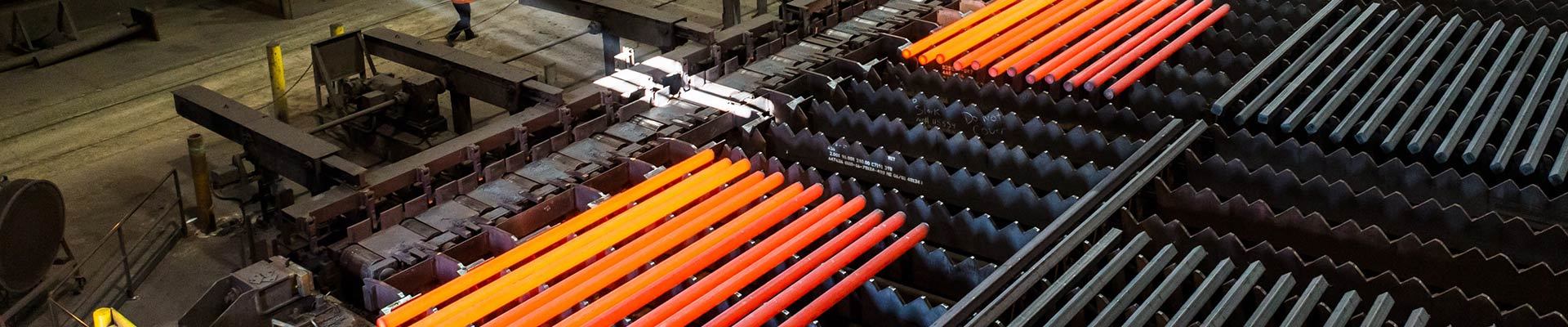
From Raw Material to Finished Product: The Journey of 304 Stainless Steel Bars
Release time:
2024-04-11
**Introduction:** When it comes to the world of metallurgy, the journey from raw material to finished product is a complex and fascinating one. In this article, we will delve into the intricate process of creating 304 stainless steel bars, a versatile and durable material used in a wide range of industries. **The Raw Materials:** The journey of 304 stainless steel bars begins with the selection of
**Introduction:**
When it comes to the world of metallurgy, the journey from raw material to finished product is a complex and fascinating one. In this article, we will delve into the intricate process of creating 304 stainless steel bars, a versatile and durable material used in a wide range of industries.
**The Raw Materials:**
The journey of 304 stainless steel bars begins with the selection of high-quality raw materials. Stainless steel is primarily made from iron ore, nickel, chromium, and other alloying elements. These raw materials are carefully chosen to ensure the final product meets the desired specifications for strength, corrosion resistance, and durability.
**Smelting and Casting:**
Once the raw materials are selected, they undergo a smelting process to melt them down into a liquid form. This molten metal is then cast into molds to create the initial shape of the stainless steel bars. The casting process is crucial in ensuring the bars have the right dimensions and properties required for their intended use.
**Hot Rolling:**
After the initial casting, the stainless steel bars undergo a hot rolling process to further shape and refine them. The bars are passed through a series of rollers at high temperatures to achieve the desired thickness and surface finish. This step also helps enhance the mechanical properties of the bars, making them stronger and more durable.
**Annealing and Pickling:**
Once the hot rolling is complete, the stainless steel bars go through an annealing process to remove any internal stresses and improve their machinability. This is followed by pickling, where the bars are treated with acid to remove any surface impurities and contaminants, leaving them clean and corrosion-free.
**Cold Drawing and Polishing:**
The final steps in the journey of 304 stainless steel bars involve cold drawing and polishing. The bars are passed through a series of dies to achieve the desired shape and size, while also improving their surface finish. This process gives the bars a smooth and shiny appearance, making them ready for their final application.
**Quality Control and Testing:**
Throughout the entire manufacturing process, strict quality control measures are in place to ensure the 304 stainless steel bars meet the highest standards of quality and performance. The bars undergo rigorous testing for strength, corrosion resistance, and other key properties to guarantee they meet the requirements of the end-users.
**Applications of 304 Stainless Steel Bars:**
304 stainless steel bars are widely used in various industries due to their excellent corrosion resistance, high strength, and versatility. They are commonly found in construction, automotive, aerospace, and manufacturing applications, where durability and reliability are essential.
**Conclusion:**
The journey of 304 stainless steel bars from raw material to finished product is a fascinating one that involves precision, expertise, and attention to detail at every step. By understanding the intricate process involved in creating these high-quality bars, we can appreciate the value they bring to a wide range of industries and applications.
When it comes to the world of metallurgy, the journey from raw material to finished product is a complex and fascinating one. In this article, we will delve into the intricate process of creating 304 stainless steel bars, a versatile and durable material used in a wide range of industries.
**The Raw Materials:**
The journey of 304 stainless steel bars begins with the selection of high-quality raw materials. Stainless steel is primarily made from iron ore, nickel, chromium, and other alloying elements. These raw materials are carefully chosen to ensure the final product meets the desired specifications for strength, corrosion resistance, and durability.
**Smelting and Casting:**
Once the raw materials are selected, they undergo a smelting process to melt them down into a liquid form. This molten metal is then cast into molds to create the initial shape of the stainless steel bars. The casting process is crucial in ensuring the bars have the right dimensions and properties required for their intended use.
**Hot Rolling:**
After the initial casting, the stainless steel bars undergo a hot rolling process to further shape and refine them. The bars are passed through a series of rollers at high temperatures to achieve the desired thickness and surface finish. This step also helps enhance the mechanical properties of the bars, making them stronger and more durable.
**Annealing and Pickling:**
Once the hot rolling is complete, the stainless steel bars go through an annealing process to remove any internal stresses and improve their machinability. This is followed by pickling, where the bars are treated with acid to remove any surface impurities and contaminants, leaving them clean and corrosion-free.
**Cold Drawing and Polishing:**
The final steps in the journey of 304 stainless steel bars involve cold drawing and polishing. The bars are passed through a series of dies to achieve the desired shape and size, while also improving their surface finish. This process gives the bars a smooth and shiny appearance, making them ready for their final application.
**Quality Control and Testing:**
Throughout the entire manufacturing process, strict quality control measures are in place to ensure the 304 stainless steel bars meet the highest standards of quality and performance. The bars undergo rigorous testing for strength, corrosion resistance, and other key properties to guarantee they meet the requirements of the end-users.
**Applications of 304 Stainless Steel Bars:**
304 stainless steel bars are widely used in various industries due to their excellent corrosion resistance, high strength, and versatility. They are commonly found in construction, automotive, aerospace, and manufacturing applications, where durability and reliability are essential.
**Conclusion:**
The journey of 304 stainless steel bars from raw material to finished product is a fascinating one that involves precision, expertise, and attention to detail at every step. By understanding the intricate process involved in creating these high-quality bars, we can appreciate the value they bring to a wide range of industries and applications.
Latest News
WhatsApp:
Email:
Tel/WeChat
Office Address
15-10, Building J1, Wanda Plaza, 57 Gongye South Road, Jinan District, China (Shandong) Pilot Free Trade Zone