

Unveiling the Art of Crafting Quality A36 Carbon Steel Bars
Release time:
2024-04-30
# Introduction Crafting quality A36 carbon steel bars is a labor-intensive and intricate process that requires a high level of skill and precision. In this article, we will delve into the art of manufacturing A36 carbon steel bars, exploring the steps involved and the key factors that contribute to the exceptional quality of these steel products. ## What is A36 Carbon Steel? A36 carbon steel is a
# Introduction
Crafting quality A36 carbon steel bars is a labor-intensive and intricate process that requires a high level of skill and precision. In this article, we will delve into the art of manufacturing A36 carbon steel bars, exploring the steps involved and the key factors that contribute to the exceptional quality of these steel products.
## What is A36 Carbon Steel?
A36 carbon steel is a widely used material in various industries due to its high strength, durability, and versatility. It is commonly used in construction, manufacturing, and engineering applications, making it a vital component in many products and structures.
## The Manufacturing Process
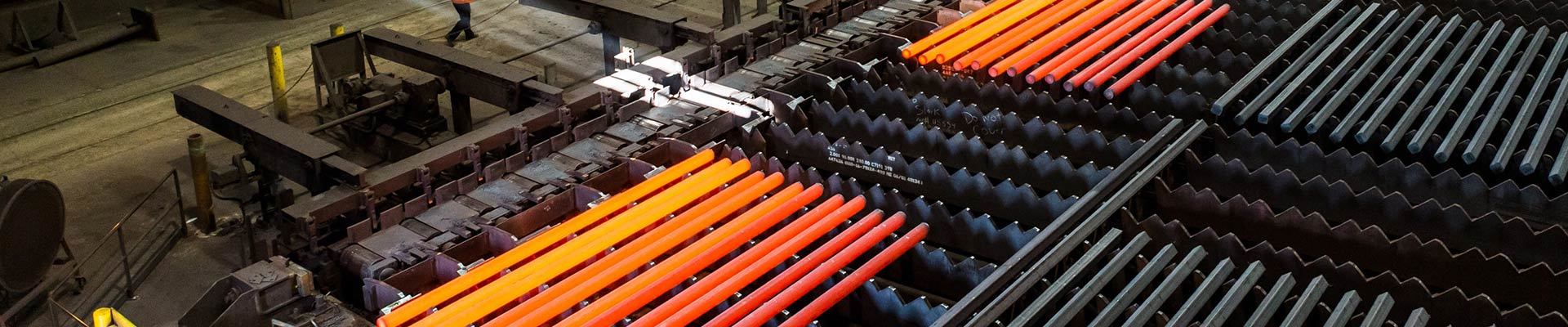
The process of crafting A36 carbon steel bars begins with the selection of high-quality raw materials. The steel is then carefully melted and poured into molds to create the desired shape and size of the bars. The bars are then subjected to a series of heat treatments and mechanical processes to enhance their strength and durability.
### Raw Material Selection
The quality of the raw materials used in the manufacturing process plays a crucial role in determining the final quality of the A36 carbon steel bars. Manufacturers carefully select materials that meet strict quality standards to ensure the integrity and performance of the finished product.
### Melting and Pouring
Once the raw materials have been selected, they are melted in a furnace at high temperatures. The molten steel is then poured into molds to form the initial shape of the bars. This process requires precision and expertise to ensure that the bars are formed correctly and with minimal defects.
### Heat Treatment
After the bars have been molded, they are subjected to a series of heat treatments to enhance their mechanical properties. This process involves heating the bars to specific temperatures and then cooling them at controlled rates to achieve the desired hardness and strength levels.
### Mechanical Processing
In addition to heat treatment, A36 carbon steel bars undergo various mechanical processes to refine their surface finish and dimensional accuracy. These processes may include machining, grinding, and polishing to achieve the desired shape, size, and surface quality of the bars.
## Quality Control Measures
Throughout the manufacturing process, stringent quality control measures are implemented to ensure that the A36 carbon steel bars meet the highest standards of quality and performance. Inspections are carried out at each stage of production to identify any defects or irregularities and address them promptly.
## Applications of A36 Carbon Steel Bars
A36 carbon steel bars are used in a wide range of applications, including construction, manufacturing, and engineering. They are commonly used to make structural components, machinery parts, and tools due to their exceptional strength, durability, and versatility.
### Construction Industry
In the construction industry, A36 carbon steel bars are used to make reinforcing bars, beams, and columns for buildings and infrastructure projects. Their high tensile strength and corrosion resistance make them ideal for supporting heavy loads and withstanding harsh environmental conditions.
### Manufacturing Sector
In the manufacturing sector, A36 carbon steel bars are used to make machine components, equipment parts, and tooling systems. Their excellent machinability and wear resistance make them suitable for high-precision machining and long-term durability in industrial applications.
### Engineering Applications
A36 carbon steel bars are also used in various engineering applications, such as in the automotive, aerospace, and energy sectors. Their superior mechanical properties and formability make them an ideal choice for designing and fabricating complex structures and systems.
# Conclusion
Crafting quality A36 carbon steel bars is a meticulous process that requires expertise, precision, and attention to detail. From raw material selection to final inspection, every step in the manufacturing process plays a crucial role in ensuring the exceptional quality and performance of these steel products. By understanding the intricate art of manufacturing A36 carbon steel bars, we can appreciate the craftsmanship and dedication that goes into creating these essential components for various industries.
WhatsApp:
Email:
Tel/WeChat
Office Address
15-10, Building J1, Wanda Plaza, 57 Gongye South Road, Jinan District, China (Shandong) Pilot Free Trade Zone