

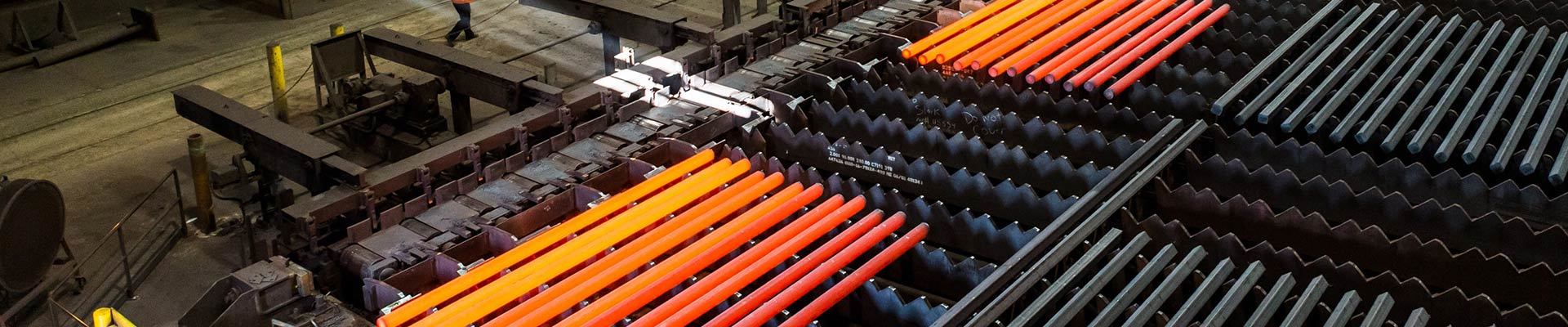
Unlocking the Benefits of 303 Stainless Steel Hexagon Bars: A Comprehensive Guide
Release time:
2024-10-21
Unlocking the Benefits of 303 Stainless Steel Hexagon Bars Table of Contents 1. Introduction to 303 Stainless Steel Hexagon Bars 2. What Is 303 Stainless Steel? 3. Advantages of Using 303 Stainless Steel 4. Properties and Characteristics of 303 Stainless Steel Hexagon Bars 5. Applications of 303 Stainless Steel Hexagon Bars 6. Manufacturing Process of 303 Stainless Steel H
Unlocking the Benefits of 303 Stainless Steel Hexagon Bars
Table of Contents
- 1. Introduction to 303 Stainless Steel Hexagon Bars
- 2. What Is 303 Stainless Steel?
- 3. Advantages of Using 303 Stainless Steel
- 4. Properties and Characteristics of 303 Stainless Steel Hexagon Bars
- 5. Applications of 303 Stainless Steel Hexagon Bars
- 6. Manufacturing Process of 303 Stainless Steel Hexagon Bars
- 7. Maintenance and Care for 303 Stainless Steel Hexagon Bars
- 8. Comparison with Other Stainless Steels
- 9. Conclusion
- 10. Frequently Asked Questions
1. Introduction to 303 Stainless Steel Hexagon Bars
In the dynamic world of metallurgy, **303 stainless steel hexagon bars** stand out as a versatile and robust choice for various applications. With a unique blend of properties, these hexagon bars are not only durable but also offer excellent machinability, making them essential in numerous engineering and manufacturing sectors. This article delves deep into the benefits and characteristics of 303 stainless steel hexagon bars, ensuring you understand why they are a preferred material in many industrial applications.
2. What Is 303 Stainless Steel?
**303 stainless steel** is an austenitic grade of stainless steel known for its outstanding machinability and resistance to corrosion. It features a high content of chromium and nickel, which contribute to its distinctive properties. The **addition of sulfur** enhances its machinability, making it an ideal choice for precision machining applications.
The typical composition of 303 stainless steel includes:
- **Chromium**: 17-19%
- **Nickel**: 8-10%
- **Manganese**: 2%
- **Sulfur**: 0.15% (improving machinability)
Because of this composition, 303 stainless steel demonstrates excellent resistance to oxidation and good mechanical properties at both high and low temperatures.
3. Advantages of Using 303 Stainless Steel
Choosing 303 stainless steel hexagon bars comes with several notable advantages:
Excellent Machinability
One of the most significant benefits of 303 stainless steel is its exceptional machinability, which allows for easy fabrication and shaping. This quality reduces production time and costs, making it a preferred material for intricate components.
Corrosion Resistance
303 stainless steel exhibits outstanding resistance to rust and oxidation, ensuring longevity even in harsh environments. This property is particularly beneficial in industrial applications, where exposure to moisture and corrosive substances is common.
Strength and Durability
With a tensile strength of approximately 75,000 psi, 303 stainless steel hexagon bars offer robust mechanical properties. They maintain their strength under various stress conditions, ensuring reliability and durability in applications.
Versatility
This material is suitable for various applications, from automotive to aerospace, due to its versatility. Its ability to be easily welded and formed into different shapes makes it a favorite among engineers and manufacturers.
4. Properties and Characteristics of 303 Stainless Steel Hexagon Bars
The properties that define **303 stainless steel hexagon bars** include:
Physical Properties
- **Density**: 8.0 g/cm³
- **Melting Point**: Approximately 1400-1450°C (2550-2640°F)
- **Thermal Conductivity**: 25.4 W/m·K
Mechanical Properties
- **Tensile Strength**: ~75,000 psi
- **Yield Strength**: ~30,000 psi
- **Elongation**: 40% in 2 inches
These properties make 303 stainless steel hexagon bars ideal for applications requiring strong, durable materials that can withstand stress and environmental factors.
5. Applications of 303 Stainless Steel Hexagon Bars
303 stainless steel hexagon bars are utilized in a wide range of industries due to their favorable properties. Some common applications include:
Automotive Industry
Used for manufacturing bolts, fittings, and valves, 303 stainless steel hexagon bars are essential in ensuring vehicle durability and performance.
Aerospace Sector
In the aerospace industry, these bars are used for components that require high strength and lightweight characteristics, making them perfect for aircraft manufacturing.
Medical Equipment
303 stainless steel is often employed in the production of surgical instruments and devices, where corrosion resistance and biocompatibility are crucial.
Food Processing
Due to its hygienic properties, 303 stainless steel is frequently used in food processing equipment, ensuring safety and compliance with health standards.
6. Manufacturing Process of 303 Stainless Steel Hexagon Bars
The manufacturing process of 303 stainless steel hexagon bars generally involves the following steps:
Raw Material Preparation
High-quality stainless steel ingots are prepared, ensuring they meet specific chemical composition standards.
Hot Working
Ingot is heated and then subjected to hot working processes such as forging or rolling to shape it into hexagon bars.
Cold Working
The bars undergo cold working processes to enhance their mechanical properties and refine their dimensions.
Finishing and Quality Control
Finally, the bars are finished through processes like surface polishing or grinding and tested for quality assurance before being dispatched for sale.
7. Maintenance and Care for 303 Stainless Steel Hexagon Bars
To ensure the longevity of 303 stainless steel hexagon bars, proper maintenance is essential. Here are some practical care tips:
Regular Cleaning
Wash hexagon bars with mild detergents to remove dirt and contaminants. Avoid harsh chemicals that could compromise the surface integrity.
Preventing Scratches
Use non-abrasive cleaning materials to prevent scratches that can harbor contaminants and lead to corrosion.
Protective Coatings
For additional protection, consider applying a clear coat to shield the bars from environmental factors.
8. Comparison with Other Stainless Steels
When comparing 303 stainless steel hexagon bars with other stainless steel grades, such as 304 and 316, notable differences emerge:
303 vs. 304 Stainless Steel
While 304 stainless steel offers better corrosion resistance due to its higher nickel content, 303 stainless steel is preferred for its machinability, making it more suitable for precision parts.
303 vs. 316 Stainless Steel
316 stainless steel provides superior resistance to chlorides and saltwater corrosion, making it ideal for marine applications. However, 303 stainless steel remains a cost-effective option for applications not exposed to such harsh environments.
9. Conclusion
In conclusion, **303 stainless steel hexagon bars** offer a multitude of benefits, including excellent machinability, corrosion resistance, strength, and versatility. Understanding these advantages is crucial for engineers, manufacturers, and other professionals who rely on high-quality materials for their projects. By utilizing 303 stainless steel hexagon bars, industries can ensure durability, efficiency, and superior performance.
10. Frequently Asked Questions
Q1: What are the key benefits of using 303 stainless steel hexagon bars?
A1: The key benefits include excellent machinability, high corrosion resistance, durability, and versatility for various applications.
Q2: Can 303 stainless steel be welded?
A2: Yes, 303 stainless steel can be welded, but pre- and post-weld heat treatments are recommended to avoid issues like warping.
Q3: Is 303 stainless steel suitable for outdoor applications?
A3: While it has good corrosion resistance, for highly corrosive environments such as marine applications, 316 stainless steel may be a better choice.
Q4: How do I clean 303 stainless steel hexagon bars?
A4: Use a mild detergent and soft cloth to clean them, avoiding abrasive materials that can scratch the surface.
Q5: What industries commonly use 303 stainless steel hexagon bars?
A5: Common industries include automotive, aerospace, medical equipment manufacturing, and food processing.
This comprehensive guide will equip you with detailed insights into 303 stainless steel hexagon bars, empowering you to make informed decisions for your projects.
WhatsApp:
Email:
Tel/WeChat
Office Address
15-10, Building J1, Wanda Plaza, 57 Gongye South Road, Jinan District, China (Shandong) Pilot Free Trade Zone